
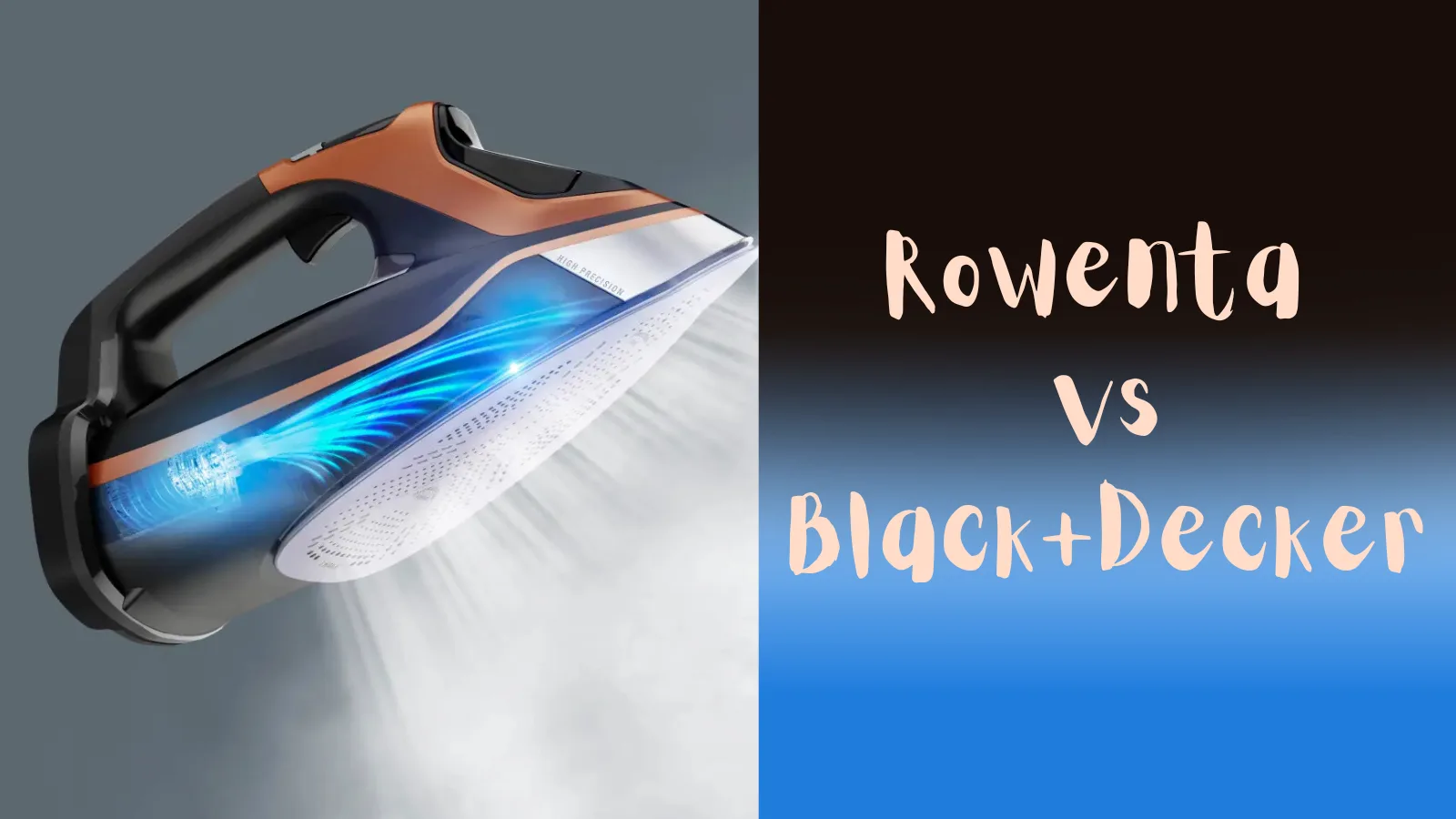
When you’re shopping for the best steam iron, two brands consistently appear on store shelves and in online searches: Rowenta and Black+Decker. Both have loyal followers, both make multiple models at different price points, and both claim to deliver professional results. But they approach iron design and manufacturing with noticeably different philosophies, and those differences matter when you’re deciding which brand deserves your money.
Understanding what each brand actually offers and where they differ helps you match an iron to your real needs rather than just picking based on name recognition or price.
Brand Background and Reputation
Rowenta has been making irons for over 100 years, with German engineering roots and a focus on premium performance. The brand positions itself in the upper-middle to high-end market, emphasizing durability, advanced features, and professional-grade results. Rowenta irons are typically designed and engineered in Germany, though manufacturing happens in various locations.
Black+Decker takes a different approach. This American brand offers household appliances across many categories, including irons, with an emphasis on affordability and practical functionality. Their iron lineup covers budget to mid-range price points, focusing on delivering reliable basic performance without the premium price tag.
These different brand philosophies show up clearly in how the companies design and price their products.
Price Range Comparison
Black+Decker steam irons generally range from $20 to $50, with most popular models falling between $30 and $45. Their budget-friendly positioning makes them accessible to students, first-time home buyers, or anyone who needs an iron but doesn’t want to spend much.
Rowenta irons typically start around $50 to $70 for entry models and extend to $150 to $190 for their premium steam irons. Their steam generator systems cost even more, reaching $400 to $800, though those are different products entirely from standard steam irons.
This price difference reflects real distinctions in construction, features, and expected longevity, not just brand markup.
Steam Output and Performance
Steam production represents one of the most significant performance differences between these brands.
Rowenta irons typically produce 35 to 50 grams per minute of continuous steam, with steam boost functions delivering 210 to 250 grams per minute. Their premium models like the SteamForce+ feature 1,800 to 1,850 watts of power. The brand’s Microsteam soleplate technology distributes steam through 400 active holes in their higher-end models, providing even steam coverage across the entire soleplate surface.
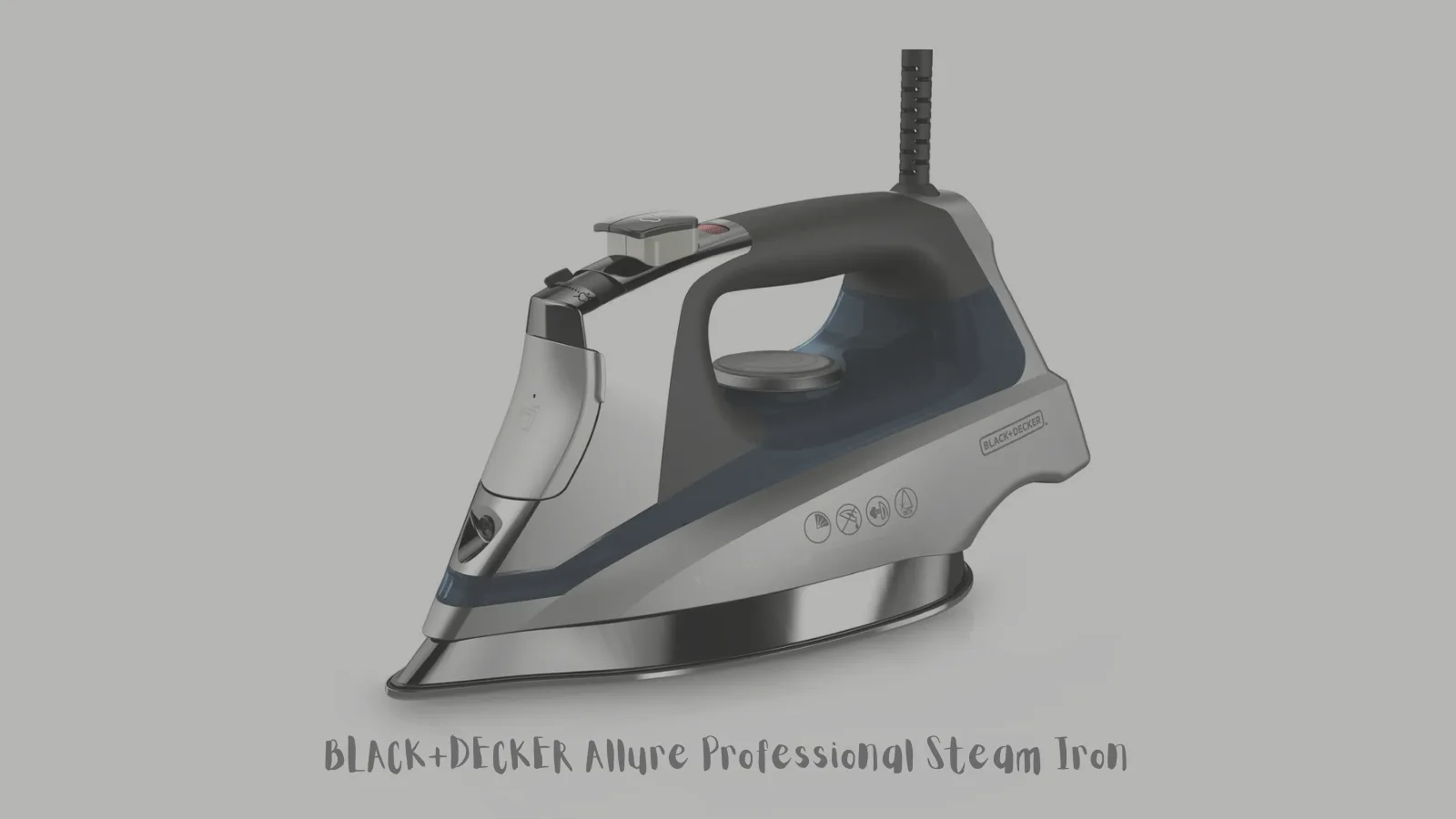
Black+Decker irons generally offer more modest steam output, though their specific claims focus on comparative improvements rather than absolute numbers. Their Allure Professional model advertises “30% more steam” compared to certain competitor models, and most Black+Decker irons operate at 1,200 to 1,600 watts. The steam hole distribution is less extensive than Rowenta’s premium models, typically featuring standard hole patterns rather than the dense micro-hole configurations.
In practical use, this means Rowenta irons tend to remove wrinkles faster and more thoroughly, particularly on heavy fabrics like linen and thick cotton. Black+Decker irons handle everyday cotton shirts and lighter fabrics adequately but require more passes or higher heat settings for stubborn wrinkles.
Soleplate Quality and Design
Rowenta invests heavily in soleplate engineering. Their premium models feature stainless steel soleplates with precision tips designed to navigate around buttons and into tight corners. The laser-etched finish provides scratch resistance, and the Microsteam technology creates numerous tiny steam holes for consistent distribution. The soleplate shape on models like the Pro Master Xcel is specifically designed for detail work.
Black+Decker uses stainless steel, ceramic, or nonstick aluminum soleplates depending on the model. Their stainless steel options offer good durability and smooth gliding at lower price points, though the finish and engineering aren’t as refined as Rowenta’s. The nonstick and ceramic options glide easily when new but may wear faster with regular use. Black+Decker soleplates typically have standard-width tips rather than the precision tips found on Rowenta models.
Both brands’ soleplates work fine for general ironing, but Rowenta’s attention to soleplate design shows up when you’re working on detailed garments or trying to iron around obstacles.
Water Tank Capacity
Rowenta models typically feature water tanks holding 10 to 12 ounces, with transparent viewing windows and wide-mouth openings for easy filling. The larger capacity means fewer refills during extended ironing sessions.
Black+Decker irons usually have smaller water tanks, often in the 8 to 10 ounce range. This still provides reasonable ironing time before refilling, but you’ll be filling more frequently than with comparable Rowenta models if you’re doing large batches of laundry.
The difference matters most for people who regularly iron multiple items at once. For occasional users ironing one or two pieces, tank size becomes less critical.
Feature Set and Technology
Rowenta builds in more advanced features across their lineup. Most models include auto-off safety features, anti-drip systems to prevent water spots, anti-calc systems to reduce mineral buildup, vertical steam capability, and retractable cords on certain models. Their premium irons like the SteamForce Pro include LED displays showing fabric settings, making temperature selection more intuitive.
Black+Decker includes essential features like auto-shutoff (typically 30 seconds on the soleplate or side, 8 minutes on heel rest), vertical steam, spray mist functions, and anti-drip protection. Their mid-range Allure models add features like auto-clean systems and variable steam controls. However, the feature implementations tend to be more basic compared to Rowenta’s refined versions.
For instance, both brands offer anti-calc systems, but Rowenta’s tend to be more effective and easier to maintain based on user reports and testing data.
Heat-Up Time
Both brands heat relatively quickly, though specifications vary by model.
Rowenta irons typically reach operating temperature in 2 minutes or less for their premium models. The SteamForce Pro and similar models feature rapid heat-up technology as a selling point.
Black+Decker irons generally heat in 2 to 3 minutes, which is perfectly adequate for most users. While slightly slower than Rowenta’s fastest models, the difference rarely matters in practical use.
Build Quality and Durability
This is where the price difference becomes most evident over time.
Rowenta irons are built for longevity. The brand offers 2-year warranties and designs their products to last considerably longer with proper care. Users commonly report Rowenta irons lasting 5 to 10 years or more. The construction quality, including housing materials, internal components, and soleplate durability, reflects the higher price point.
Black+Decker irons are solidly constructed for their price range but generally don’t last as long as Rowenta models. Users typically get 2 to 5 years of regular use before experiencing issues or deciding to replace them. The lower price means many people simply buy a new one rather than repairing a broken unit.
If you’re keeping a cost-per-year calculation in mind, a Rowenta iron costing three times more than a Black+Decker but lasting three times longer ends up being comparable in value, though with better performance throughout its life.
Ease of Use and Ergonomics
Rowenta models tend to be heavier, typically weighing 3 to 3.5 pounds when filled with water. The extra weight helps apply pressure for better wrinkle removal but can cause fatigue during extended ironing sessions. The ergonomic handles are well-designed, but the overall heft is noticeable.
Black+Decker irons are generally lighter, usually weighing 2.5 to 3 pounds when filled. This makes them easier to maneuver and less tiring for long ironing sessions, though you may need to apply more manual pressure to achieve the same results as a heavier Rowenta.
Control layouts on both brands are straightforward, though Rowenta’s higher-end models with digital displays and preset fabric settings offer more guidance for users who want it.
Maintenance Requirements
Both brands require regular descaling to prevent mineral buildup, especially if you use tap water rather than distilled.
Rowenta irons often include self-clean functions and built-in anti-calc systems that make maintenance somewhat easier. The brand provides clear instructions for maintaining their irons, and the higher build quality means proper maintenance pays off with extended lifespan.
Black+Decker models also include auto-clean features on mid-range and higher models. Maintenance is similar to Rowenta but perhaps slightly more critical since the lower-cost construction may be less forgiving of neglect.
Best Use Cases for Each Brand
Rowenta makes the most sense if you iron frequently, need professional results, work with heavy or difficult fabrics regularly, value durability and are willing to pay more upfront for better long-term value, or do detail work requiring precision tips and excellent steam distribution.
Black+Decker is the better choice if you iron occasionally or in small batches, primarily work with cotton and synthetic everyday clothes, have a limited budget, need something simple and functional without advanced features, or view an iron as a replaceable tool rather than a long-term investment.
What Reviews and Testing Say
Independent testing consistently shows Rowenta irons performing better in steam output, wrinkle removal effectiveness, and durability tests. The Rowenta Pro Master Xcel and Focus models regularly appear in top recommendations from testing organizations and receive praise for detail work and overall performance.
Black+Decker irons like the Allure Professional earn recognition for delivering solid performance at budget-friendly prices. They’re frequently recommended as best value picks rather than best performance picks.
User reviews reflect similar patterns. Rowenta owners often comment on how well their irons perform and how long they last, while occasionally noting the higher weight and price. Black+Decker users appreciate the affordability and adequate performance but sometimes report shorter lifespans or wish for more steam power.
The Warranty Factor
Rowenta offers 2-year limited warranties on their irons, reflecting confidence in their build quality. They also maintain customer service and offer replacement parts for many models.
Black+Decker provides 1 to 2 year warranties depending on the model. Given the lower prices, many customers don’t bother with warranty claims and simply replace irons when they fail.
Making Your Decision
Your choice between these brands should align with your actual ironing habits and budget reality.
If you iron weekly or more, if quality results matter for your wardrobe, and if you can afford the upfront cost, Rowenta delivers better performance and longer lifespan that justifies the higher price. You’re buying a tool that will serve you well for years.
If you iron occasionally, if your clothes are mostly easy-care fabrics, or if budget is your primary concern, Black+Decker provides perfectly adequate performance at prices that won’t strain your finances. You’re getting a functional tool that does the job without premium features you might not use anyway.
There’s no shame in choosing based on budget. A Black+Decker iron that you actually own beats a Rowenta you can’t afford. Similarly, if ironing is a regular part of your routine and you value efficiency and quality, spending more on Rowenta makes practical sense.
Consider also that you could start with a Black+Decker iron and upgrade to Rowenta later if you discover you’re ironing more than expected or want better performance. There’s no rule that your first iron has to be your forever iron.
Both brands make competent steam irons. Rowenta makes better ones for people willing to pay for better performance and durability. Black+Decker makes affordable ones for people who need functional tools at accessible prices. Go with whichever brand you think is the right one for you.