
If you’ve been shopping for an iron lately, you might have noticed something called a steam generator iron alongside regular steam irons. The price difference is substantial; steam generator irons can cost several times more than traditional steam irons. That raises an obvious question, what exactly are you getting for that extra money, and is it actually worth it?
Understanding the difference between these two types of irons comes down to how they’re built, how they perform, and who really benefits from their specific features. Let’s break down what sets them apart and help you figure out which one makes sense for your situation.
The Basic Structure Difference
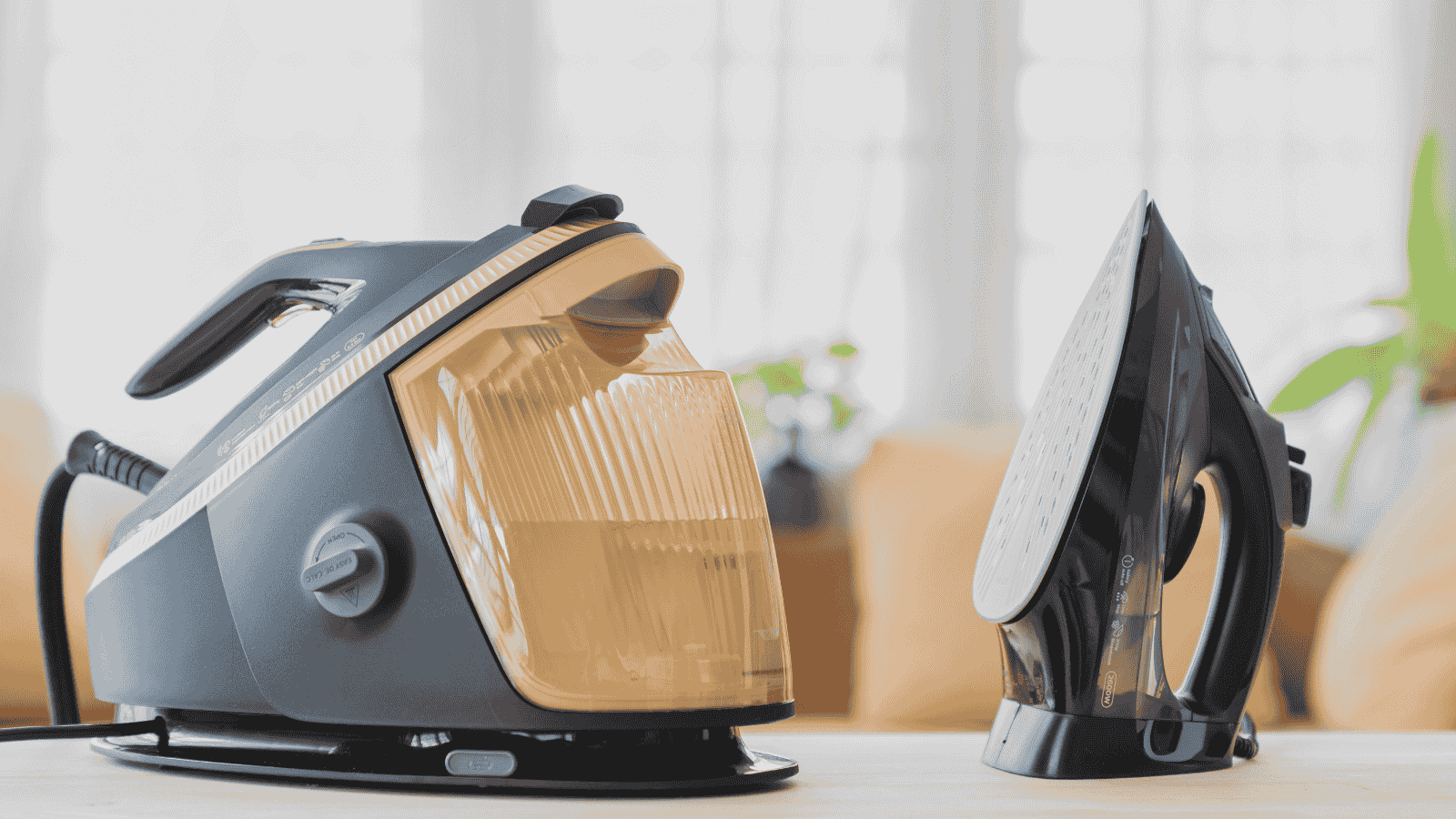
A regular steam iron is a self-contained unit. Everything you need—the heating element, water reservoir, steam generator, and soleplate—fits into one handheld piece. You fill the water tank built into the iron itself, plug it in, and start ironing. The water reservoir typically holds between 200 and 400 milliliters, depending on the model.
A steam generator iron works differently. It consists of two separate components: a handheld iron connected by a hose to a base station. The base station sits on your ironing board or nearby surface and contains a much larger water tank and a pressurized boiler. Water gets pumped from this base unit through the hose to the iron, where it releases as steam through the soleplate.
This fundamental design difference affects everything else about how these irons perform and what they’re capable of doing.
Steam Output and Pressure
The most significant performance difference is steam production. Regular steam irons generate steam at normal atmospheric pressure, typically producing between 30 and 50 grams of steam per minute during continuous use. The best steam irons might reach 60 or 70 grams per minute. The steam boost function, which you activate by pressing a button, might produce 100 to 150 grams per minute in short bursts.
Steam generator irons produce steam under pressure, measured in bars. Most models operate at 5 to 7 bars of pressure, though high-end units can reach 8 bars or more. This pressurized steam output ranges from 100 to 160 grams per minute continuously, with boost functions delivering 300 to 500 grams per minute or more.
Those numbers translate to real-world differences. Pressurized steam penetrates fabric more deeply and quickly. You’ll often find that one pass with a steam generator removes wrinkles that would require several passes with a regular steam iron. The high-pressure steam also works through multiple layers of fabric effectively, which matters when you’re ironing thick items like jeans or layered bedding.
Water Capacity and Refilling
Water capacity creates another major practical difference. Regular steam irons hold limited water because the tank must fit inside the iron body. Even generous tanks rarely exceed 400 milliliters. Depending on your steam settings and how much you’re ironing, you might need to refill every 15 to 30 minutes of active use.
Steam generator irons have base stations with water tanks ranging from 1 to 2.5 liters. This capacity allows for 1 to 3 hours of continuous ironing before refilling becomes necessary. Many models feature removable water tanks that you can refill without turning off the unit or waiting for it to cool down, and some even allow refilling during use.
For someone ironing a few shirts, the refilling difference doesn’t matter much. For households tackling large batches of laundry or anyone ironing bedding regularly, the extended capacity saves considerable time and frustration.
Heat-Up Time and Recovery
Regular steam irons typically heat up in 2 to 3 minutes. Once heated, they maintain temperature reasonably well, though steam production can cause slight temperature drops that require brief recovery periods.
Steam generator irons take longer to reach full operating temperature because they’re heating both the iron and the pressurized boiler in the base station. Initial heat-up times range from 2 to 8 minutes depending on the model, with premium units heating faster.
However, once ready, the separate boiler maintains consistent steam production without affecting the iron’s temperature. The recovery between steam bursts is nearly instantaneous because the base station constantly maintains pressure.
This means that while you wait longer at the start, steam generator irons deliver more consistent performance throughout your ironing session.
Weight and Maneuverability
Here’s where things get interesting. You might assume the more powerful tool would be heavier and harder to use, but the opposite is often true.
Regular steam irons weigh between 1.2 and 1.8 kilograms when filled with water. You’re lifting and moving this weight constantly while ironing. As you work through your pile of clothes, that weight becomes tiring, especially if you’re doing large batches or have any wrist or arm issues.
Steam generator irons separate the weight. The handheld iron typically weighs between 0.8 and 1.2 kilograms because it contains no water reservoir or boiler. All that equipment stays in the base station on your ironing board or table. You’re moving a lighter iron while the heavy components remain stationary.
The connecting hose does add slight resistance, but most users find the reduced weight more than compensates for this. The hose length typically ranges from 1.5 to 2 meters, providing reasonable freedom of movement.
Performance on Different Fabrics
Both types of irons handle various fabrics, but steam generator irons show clear advantages with certain materials.
For lightweight fabrics like polyester, rayon, and silk, both iron types work adequately. The temperature control matters more than steam power for these materials, and excessive steam can actually cause water spotting on some delicate fabrics.
Medium-weight fabrics like cotton shirts and blouses show where steam generators start pulling ahead. The higher steam output means faster, more effective wrinkle removal. What takes two or three passes with a regular iron often takes one pass with a steam generator.
Heavyweight fabrics reveal the biggest performance gap. Thick cotton, linen, denim, and canvas respond dramatically better to pressurized steam. A regular steam iron can handle these materials but requires more time, more passes, and more physical effort. Steam generators cut through heavy wrinkles quickly with less pressure needed from your arm.
Layered items like quilts, thick curtains, or folded tablecloths benefit enormously from pressurized steam’s penetrating power. Regular irons struggle with these items because their steam doesn’t penetrate effectively through multiple fabric layers.
Cost Considerations
Price represents the most obvious difference. Entry-level steam irons cost $20 to $50. Mid-range models with good features run $50 to $120. Premium steam irons top out around $150 to $200.
Steam generator irons start around $150 to $200 for basic models. Mid-range units cost $250 to $450. High-end models from premium brands can exceed $600 to $800.
Beyond purchase price, consider operating costs. Steam generators use more electricity because they’re heating larger water volumes and maintaining pressure. The difference isn’t dramatic for occasional use, but frequent users will notice slightly higher energy bills.
Maintenance costs can differ too. Steam generator irons often require descaling cartridges or solutions, and their more complex internal systems can mean higher repair costs if something breaks. Regular steam irons have simpler mechanisms that are generally cheaper to fix, though many people simply replace them rather than repair them.
Space and Storage
A regular steam iron stores easily in a closet, cabinet, or even a drawer. The iron itself and a compact ironing board can fit in relatively small spaces.
Steam generator irons require more storage space because of the base station. The combined footprint of the iron and base unit is considerably larger than a regular iron alone. Some models come with storage cases or heat-resistant mats for the base station, but you’re still dealing with a bulkier system.
Setup also differs. With a regular iron, you pull out your ironing board, fill the iron, plug it in, and start working. Steam generators add the step of setting up and positioning the base station, connecting the hose, and filling a larger water tank. It’s not complicated, but it does take a bit more time and effort.
For people with dedicated laundry rooms where equipment can stay set up, this matters less. For apartment dwellers or those without dedicated ironing space, the storage and setup requirements become more significant considerations.
Who Actually Benefits from Steam Generator Irons
Steam generator irons make the most sense for specific situations and user profiles:
- Large households with substantial ironing needs benefit significantly. If you’re regularly ironing clothes for multiple family members, dealing with bedding, or tackling tablecloths and curtains, the time savings add up quickly. What might take two hours with a regular steam iron could take 45 minutes to an hour with a steam generator.
- People who iron frequently, even if not in large batches, appreciate the improved efficiency and reduced physical effort. If ironing is part of your weekly routine rather than an occasional chore, the better performance justifies the investment.
- Anyone with physical limitations finds the lighter handheld unit easier to manage. The reduced weight and less need for downward pressure makes extended ironing sessions more comfortable.
- Professional or semi-professional users like tailors, alterations specialists, or anyone running a small clothing business find steam generators nearly essential. The performance and efficiency gains directly translate to business productivity.
- People who value their time highly and don’t mind paying for convenience will appreciate how much faster steam generators complete ironing tasks.
Who Should Stick with Regular Steam Irons
Regular steam irons remain the better choice for many people and situations:
- Light users who iron occasionally or only small quantities don’t need the extra power. If you’re ironing a few items once or twice a month, a regular steam iron handles this perfectly well without the extra expense.
- Budget-conscious shoppers get perfectly adequate performance from quality steam irons at a fraction of the cost. You can buy an excellent regular steam iron and use it for years before approaching the cost of even a basic steam generator.
- People with limited storage space or those who move frequently benefit from the compact size and simpler setup of regular irons.
- Anyone who primarily wears clothes that need minimal ironing or who mostly deals with synthetic fabrics won’t see enough benefit to justify a steam generator’s cost and bulk.
- Students, young professionals setting up first homes, or anyone who just needs basic wrinkle removal capability should start with a regular steam iron and upgrade later only if they find themselves ironing frequently.
Maintenance Requirements
Both iron types need regular maintenance, but steam generators require more attention.
Regular steam irons need periodic descaling to prevent mineral buildup, which involves either using the self-cleaning function or running white vinegar through the steam system. The soleplate should be cleaned regularly to prevent residue transfer. Using distilled water instead of tap water reduces maintenance needs significantly.
Steam generators require all the same maintenance but with added complexity. The larger boiler system accumulates more mineral deposits, making regular descaling even more important. Many models have built-in descaling programs that walk you through the process, but it still requires more time and attention than maintaining a regular iron. Some units use replaceable anti-scale cartridges that need periodic replacement, adding to ongoing costs.
The hose and connections on steam generators also need occasional inspection to ensure no leaks develop. While quality models are built to last, there are simply more components that can potentially need attention.
Making Your Decision
The right choice depends entirely on your specific circumstances. Start by honestly assessing how much you actually iron. Look at your laundry routine over the past few months. If you’re ironing weekly or more, and if those sessions involve substantial quantities of clothes or heavy fabrics, a steam generator becomes more justifiable.
Consider your budget realistically. Can you afford a steam generator without straining your finances? If buying one means sacrificing other necessary purchases, a good regular steam iron will serve you well until your budget allows for an upgrade.
Think about your physical situation. Do you have the storage space? Is setup and teardown a significant obstacle in your living situation? Would the lighter handheld unit make a meaningful difference for your comfort?
Evaluate your fabric mix. If your wardrobe consists mostly of items that need proper pressing and you own substantial amounts of cotton, linen, or other natural fibers, the steam generator’s performance advantages matter more. If you mostly wear synthetic blends and knits, the difference becomes less significant.
For most households, a quality steam iron provides excellent value and perfectly adequate performance. Steam generators represent a premium option that delivers measurably better results but at a substantial price premium that not everyone needs or can justify.
If you’re genuinely unsure, start with a good steam iron. Use it regularly for several months. If you find yourself frustrated by the time it takes, tired of refilling the tank, or wishing for better performance on heavy fabrics, then you’ve identified a real need that a steam generator would address. If the steam iron handles everything fine, you’ve saved yourself considerable money.
The bottom line is that steam generator irons aren’t inherently better—they’re more powerful and efficient tools designed for heavier-duty use. Like most specialized tools, they excel when you actually need their capabilities and feel excessive when you don’t.