
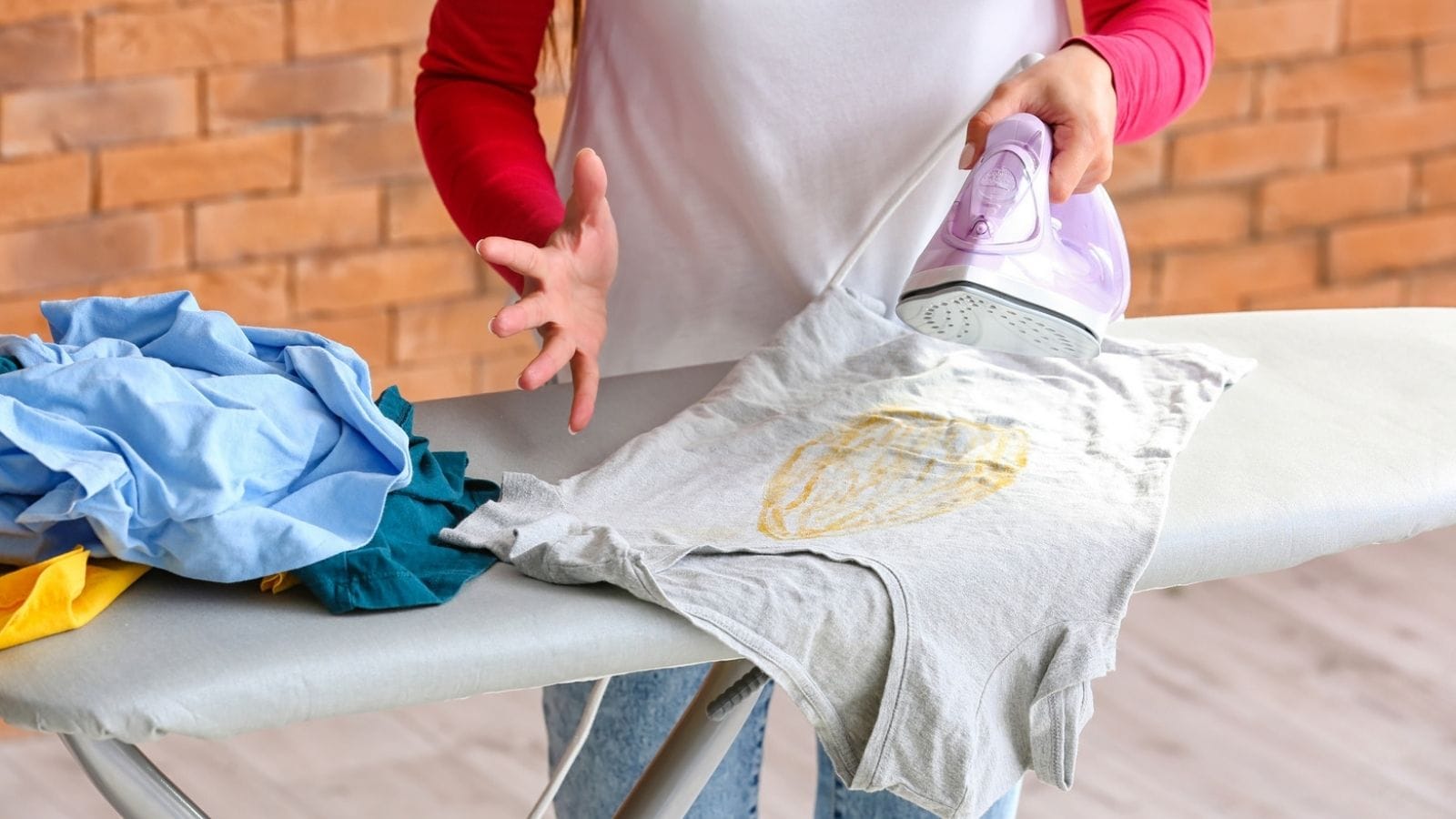
If you have ever ruined a favorite black shirt with a permanent shiny streak or watched a graphic tee peel away after one session with a hot iron, you know that heat can be a double-edged sword. While we use irons to make our clothes look crisp and professional, the direct application of heat to the “right” side of the fabric often does more harm than good.
The inside-out rule is one of the most effective ways to preserve the life of your clothing. It is a simple adjustment to your laundry routine that balances the need for a neat appearance with the technical requirements of modern textile care. This guide explores the reasons why flipping your garments is necessary and identifies exactly which items in your closet require this extra step.
Note: If you need a new iron, check out my review of the best steam irons here.
Why Ironing the Reverse Side Helps
Ironing on the reverse side is not just a suggestion for delicate items. It is a fundamental technique for maintaining the structural integrity and aesthetic quality of fabrics. Here are the primary reasons why this method is superior for most garments.
Preventing Fabric Shine
Fabric shine is perhaps the most common casualty of improper ironing. This happens most frequently on dark-colored natural fibers like wool and cotton, as well as synthetic materials like polyester. When a hot iron plate makes direct contact with these fibers, it can flatten them or slightly melt the surface. This creates a reflective, “glassy” appearance that is often permanent.
By ironing on the reverse side, any compression or slight scorching occurs on the part of the garment that no longer faces the world. This keeps the exterior looking matte and new.
Protecting Screen Prints and Vinyl
Modern casual wear relies heavily on heat-pressed vinyl, screen prints, and rubberized logos. These materials are essentially plastic. If a soleplate touches them directly, even on a low setting, the graphic can smear, melt, or stick to the iron. Turning these shirts inside out provides a layer of fabric between the heat source and the design, allowing the steam and heat to relax the fibers without liquefying the artwork.
Avoiding Pocket and Seam Imprints
When you iron the front of a pair of trousers or a skirt, the pressure of the iron often leaves “ghost” outlines of the internal pockets and seams. These marks are difficult to remove once they are pressed into the fabric. Ironing from the inside allows you to press the pockets and seams individually before tackling the main body of the garment, ensuring a smooth finish without the tell-tale outlines of the interior construction.
Preserving Delicate Textures
Textured fabrics such as corduroy, velvet, and certain types of lace are defined by their “pile” or raised threads. Applying a heavy iron directly to the face of these fabrics will crush the texture, leaving them looking flat and lifeless. Ironing inside out (ideally on a soft surface) allows the steam to penetrate and remove wrinkles while keeping the texture intact.
Fabrics That Always Require Inside-Out Care
Not every item needs this treatment, but for the following materials, the inside-out rule is non-negotiable.
1. Silk and Satin
Silk is a protein fiber that is highly sensitive to heat. Direct contact can cause yellowing or “scald” marks. Furthermore, the luster of silk is its most valuable trait. Ironing on the reverse side protects that natural sheen and prevents water spots from the steam iron from showing on the visible side.
2. Acetate and Rayon
These semi-synthetic fibers are notorious for melting or becoming extremely shiny under moderate heat. They also tend to stretch when hot. Ironing them inside out while they are slightly damp is the safest way to maintain their shape and finish.
3. Dark Cottons and Linens
While cotton is durable, dark dyes (navy, black, and forest green) show iron tracks very easily. If you must iron these on the outside, you would need a pressing cloth. Flipping them inside out is a much faster and more effective alternative.
4. Polyester and Nylon
As petroleum-based products, these fabrics are essentially a form of plastic. They have low melting points. Even if they do not melt entirely, the heat can cause the fibers to fuse slightly, creating a stiff, shiny patch. Always use a low setting and iron on the reverse.
5. Corduroy and Velvet
These should always be ironed inside out. For the best results, place the garment face down on a thick, plush towel. This prevents the “pile” of the fabric from being flattened against the hard surface of the ironing board.
Step-by-Step Guide to Perfect Inside-Out Ironing
To maximize the benefits of this technique, follow these steps to ensure efficiency and safety.
Preparation and Sorting
Before turning your iron on, sort your laundry by fabric type. Start with the items that require the lowest heat (synthetics) and work your way up to higher-heat items (cottons). This prevents the iron from being too hot when you reach your delicate silks.
Turning and Smoothing
Turn the garment inside out and lay it flat on the board. Use your hands to smooth out any major bunches or folds. If the garment is particularly dry or wrinkled, a light misting of distilled water can help relax the fibers before the iron makes contact.
Handling Seams and Pockets
Start by ironing the pockets and the seams. By doing this from the inside, you can ensure they are flat and won’t cause bumps when you iron the rest of the fabric. Once the “hardware” of the garment is flat, move to the larger panels.
The Movement
Use long, smooth strokes rather than a circular scrubbing motion. Circular movements can stretch the fabric and cause it to lose its tailored shape. Always move the iron in the direction of the grain of the fabric.
When You Can (and Should) Iron the “Right” Side
While the inside-out rule is a great default, there are specific scenarios where ironing the exterior is acceptable or even necessary.
- Cotton Dress Shirts: For a truly crisp, professional look, the collar, cuffs, and button placket of a high-quality cotton dress shirt usually need to be finished on the outside. Since these are often white or light-colored, the risk of “shine” is minimal.
- Heavy Linens: Thick linen tablecloths or heavy linen trousers can be difficult to get perfectly smooth from the inside alone. However, even with these, you should start on the inside and only finish the outside if necessary, using a pressing cloth for safety.
- Pressing Cloth Usage: If a garment is so wrinkled that ironing the inside isn’t enough, do not simply flip it and iron the exterior. Use a pressing cloth (a thin piece of white cotton fabric or a specialized mesh) between the iron and the garment. This provides the heat needed to remove wrinkles while protecting the surface from direct contact.
Essential Equipment for Professional Results
If you are committed to maintaining your wardrobe, having the right tools makes the inside-out rule much easier to follow.
A Quality Steam Iron
A good iron should have a consistent steam output and a clean soleplate. If your iron has mineral buildup in the vents, it can spit brown water onto your clothes. Regularly cleaning your iron and using distilled water will prevent these accidents.
A Padded Ironing Board
The padding on your board acts as a cushion. This is vital when ironing inside out because it allows buttons, zippers, and seams to “sink” into the board rather than being pressed into the fabric on the other side.
Tailor’s Ham
This is a small, firm, egg-shaped pillow used for ironing curved areas like sleeves, shoulders, and darts. Using a ham while ironing inside out allows you to maintain the three-dimensional shape of the garment.
Common Mistakes to Avoid
Even when ironing inside out, there are a few pitfalls to watch for.
- Leaving the Iron Stationary: Never leave the iron sitting in one spot, even on the reverse side. Heat builds up quickly and can still scorch through the fabric.
- Using Too Much Heat: The inside-out rule is not an excuse to use a high heat setting on a delicate fabric. The fabric is still being exposed to high temperatures; the reverse side simply hides the visual evidence of minor errors.
- Ironing Over Dirt: Never iron a garment that hasn’t been properly cleaned. Heat acts as a setting agent for stains. If there is a small spot of oil or dirt, ironing over it (inside or out) will likely make that stain permanent.