
Most of us treat our irons with a “set it and forget it” mentality. Once the last shirt is pressed, we unplug the device, wrap the cord around the base, and shove it into the back of a dark closet or a laundry room shelf. It feels like the job is done, but the way you store your iron during its “off-duty” hours determines how long it will last and how well it will perform the next time you need it.
Inappropriate storage is the leading cause of the two most common iron failures: leaking and internal corrosion. If you have ever pulled your iron out only to find a rusty puddle on the shelf or seen brown flakes spitting out of the steam vents, your storage habits are likely to blame.
This guide will walk you through the essential steps to store your iron like a professional. By following these simple maintenance habits, you can protect the internal components, keep the soleplate pristine, and ensure that your iron remains a reliable tool for years to come.
Looking for the best steam iron? I’ve published an exhaustive guide on the topic.
Why Correct Storage Actually Matters
To understand why storage is so critical, you have to think about what is happening inside the iron. A steam iron is essentially a miniature boiler. It uses heat and water to create pressure. When you turn the iron off, that process does not just stop instantly. Residual heat and moisture remain trapped inside the internal chambers.
If that moisture is left to sit, it creates the perfect environment for oxidation. The metal parts inside the steam chamber can begin to rust or develop a layer of limescale. Furthermore, gravity is always at work. If the iron is stored in a way that allows water to sit against the internal seals, those seals will eventually degrade, leading to the “leaking iron” syndrome that ruins so many appliances.
Step 1: The Essential Cooling Period
The most common mistake people make is storing an iron while it is still hot. It is tempting to get the appliance out of sight as soon as you are done, but a hot iron is a safety hazard and a storage nightmare.
The Risk of Residual Heat
When you put a hot iron into a confined space like a wooden cupboard or a plastic storage bin, the heat has nowhere to go. This can warp the storage surface or even create a fire hazard if it comes into contact with flammable materials. Furthermore, storing a hot iron can cause the plastic casing of the iron itself to become brittle over time due to the lack of airflow.
The Solution:
Always allow your iron to cool completely on a heat-resistant surface before moving it to its permanent home. This usually takes about thirty to forty-five minutes. Ensure it is placed out of reach of children or pets during this cooling phase.
Step 2: Empty the Water Tank Every Single Time
If you take only one piece of advice from this article, let it be this: never store your iron with water in the reservoir.
The Corrosion Problem
Water is a solvent. When it sits inside the tank for days or weeks, it begins to react with the metal heating elements and the steam chamber. If you use tap water, the minerals settle at the bottom of the tank and harden into a crust. This leads to internal corrosion and the production of “iron rust,” which eventually exits through the steam holes and stains your clothing.
The Leaking Problem
Irons are designed to be watertight while in use, but the rubber gaskets and seals are not meant to be submerged under pressure indefinitely. If water sits against these seals for long periods, they soften and fail. This is why many irons begin to leak from the base or the temperature dial.
How to Drain Properly:
- Unplug the iron and let it cool slightly but not completely. A little bit of warmth helps the remaining moisture evaporate.
- Open the fill cap and pour the water into a sink.
- Shake the iron gently to ensure the last few drops are removed.
- Leave the fill cap open for an hour while the iron finishes cooling. This allows the internal tank to “breathe” and prevents the growth of mildew or mold.
Step 3: Master the Vertical Storage Position
There is a long-standing debate about whether to store an iron flat on its soleplate or upright on its heel. For modern steam irons, the answer is almost always upright on the heel.
Why Vertical is Better:
- Soleplate Protection: Storing the iron on its soleplate increases the risk of scratches. Any moisture left in the vents will also pool against the metal or ceramic coating, leading to localized corrosion or “pitting.”
- Gravity Management: When an iron is on its heel, any tiny amount of remaining water stays at the back of the tank, away from the delicate steam valves and the soleplate vents.
- Stability: Irons are designed with a heavy, wide base specifically so they can stand securely. An iron stored flat is more likely to be bumped or shifted, which can damage the delicate internal thermostat.
Step 4: Manage the Power Cord with Care
The power cord is the lifeline of your iron. It carries a heavy electrical load to generate that intense heat. Unfortunately, many people treat the cord like a piece of rope, winding it tightly around the handle or the base.
The Danger of Tight Winding
Tightly wrapping a cord creates tension at the “strain relief” point—the spot where the cord enters the iron. Over time, the internal copper wires can fray or pull away from the connections. This leads to intermittent power or, in the worst cases, electrical shorts and sparks.
The Better Way:
Wait until the iron is completely cold. Loop the cord loosely in a “figure-eight” pattern or a simple circle. Use a Velcro tie or a dedicated cord clip to keep it tidy. If your iron has a dedicated cord storage compartment or a “retractable” cord feature, use it exactly as instructed by the manufacturer. Never wrap the cord around a soleplate that is still warm.
Step 5: Choose the Right Environment
Where you store your iron is just as important as how you store it. An iron is an electrical appliance with sensitive internal components, so environment matters.
Avoid Damp Areas
Do not store your iron under the kitchen sink or in a damp basement. High humidity can cause the metal soleplate to oxidize even if there is no water inside the tank. It can also lead to moisture buildup on the internal circuit boards of digital irons.
The Ideal Spot
A cool, dry closet or a high shelf in the laundry room is perfect. If you have a wall-mounted iron holder, ensure it is installed away from the direct steam of a clothes dryer or a washing machine.
Step 6: Using Specialized Storage Accessories
If you are tight on space or want to be extra careful, there are several products designed specifically for iron storage.
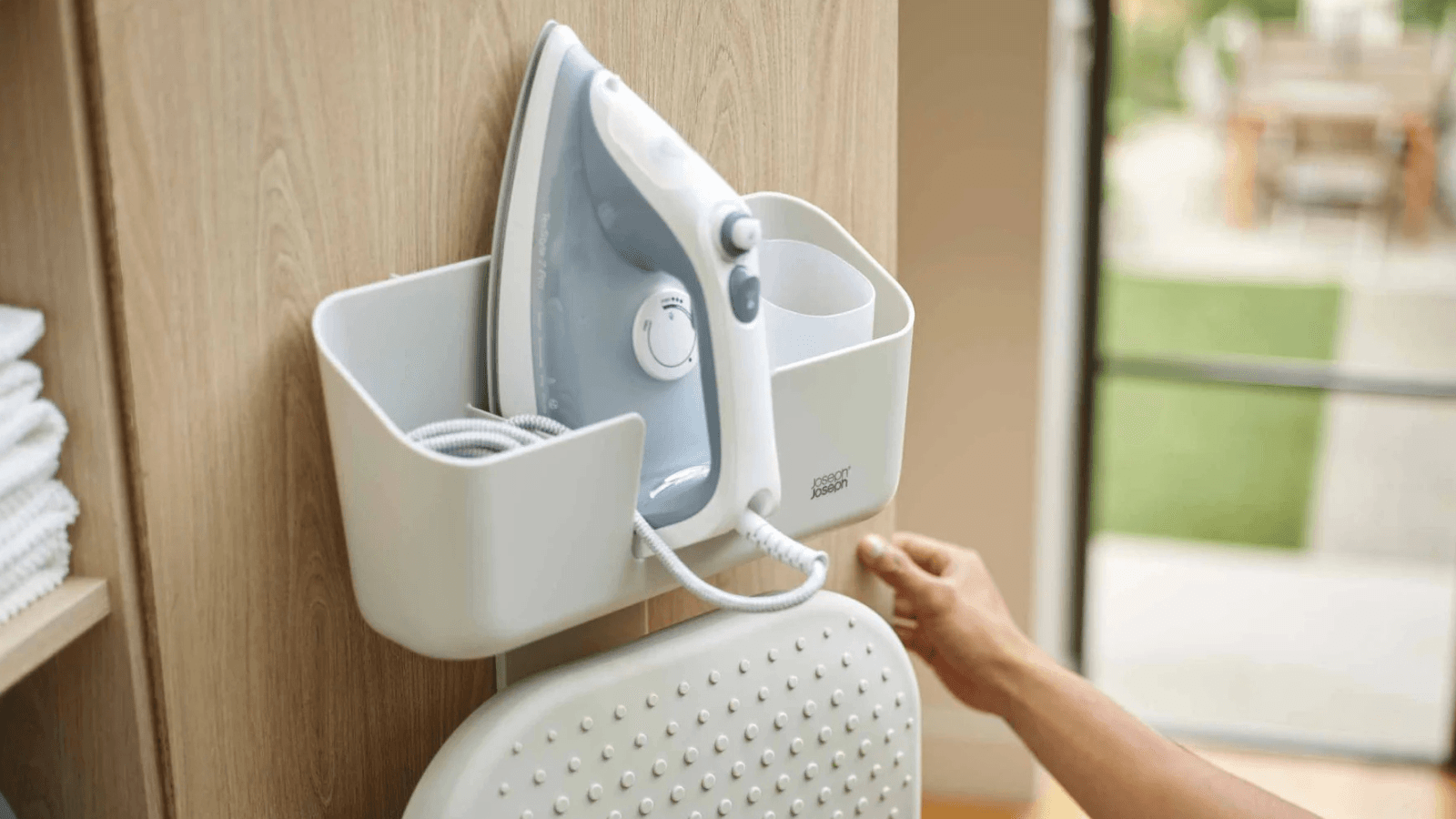
Wall-Mounted Holders
These are excellent because they keep the iron out of the way and usually include a rack for the ironing board. Look for models made of heat-resistant PBT plastic, which allow you to store the iron safely even if it hasn’t cooled down 100 percent (though cooling is still recommended).
Silicone Rest Pads
If you must store your iron on a shelf, placing it on a silicone mat can provide a bit of grip and protect the shelf from any residual heat.
Iron Covers
In dusty environments, a simple fabric cover can prevent dust from settling into the steam vents. Just make sure the iron is completely cold before covering it.
A Note on Long-Term Storage
If you are putting your iron away for several months (for example, if you are heading to a summer home or moving), take one extra step. Run a “Self-Clean” or “Calc-Clean” cycle before you pack it away. This ensures that no loose mineral flakes are sitting inside the chamber to harden and fuse over the coming months. Once the clean is done, ensure the iron is bone-dry before boxing it up.
Conclusion
Preventing leaks and corrosion is not about buying the most expensive iron on the market; it is about how you treat the one you have. By simply emptying the water and standing the iron on its heel, you eliminate the primary causes of appliance failure.
A well-stored iron will heat up faster, steam more consistently, and won’t leave you with unexpected rust stains on your best clothes. It only takes a minute of your time, but it can add years to the life of your appliance.