
It is a common scenario in many households. You go to plug in your iron, vacuum, or lamp, and you notice a fray in the outer casing. Perhaps the cat decided the cord was a chew toy, or years of tight winding have caused the internal wires to pull away from the plug. Your first instinct might be to reach for the electrical tape, but then you wonder: Can I just replace this cord myself?
The world of DIY has expanded significantly thanks to online tutorials and the availability of replacement parts. However, when it comes to electricity, the line between a rewarding weekend project and a genuine safety hazard is very thin. Dealing with power cords involves high voltage, heat resistance, and grounding, all of which are critical to preventing fires and electrical shocks.
In this guide, we will explore the realities of cord replacement, how to identify when a cord is truly dangerous, and whether you should grab your screwdriver or call a professional.
Need a new steam iron, click here to see the best steam irons.
Identifying the Damage: When Is It Time for Action?
Not every scuff on a power cord requires a full replacement, but you need to know what to look for. Electricity is always looking for the path of least resistance. If the protective insulation around a wire is compromised, that path might become your hand or the carpet under your feet.
Check for these warning signs:
- Exposed Copper: If you can see the metal wiring through the plastic casing, the cord is an immediate shock hazard.
- Warmth or Discoloration: If a cord feels hot to the touch or shows brown singe marks near the plug or the appliance entry point, there is an internal short circuit.
- Fraying at the Stress Points: The most common area for damage is where the cord meets the plug or enters the appliance. If the protective “strain relief” boot is cracked or pulling away, the wires inside are under immense stress.
- Taped Repairs: Electrical tape is designed for temporary insulation, not for structural repair. if you have a cord held together by tape, it is time for a permanent fix.
The Technical Requirements of Appliance Cords
One of the biggest mistakes a DIYer can make is assuming that all power cords are the same. Replacing a lamp cord is a vastly different task than replacing the cord on a steam iron or a space heater.
Appliance cords are rated based on their gauge (thickness) and their heat resistance. For example, a steam iron draws a significant amount of current, often between 1200 and 1800 watts. This requires a thick gauge wire that can handle the “load” without overheating.
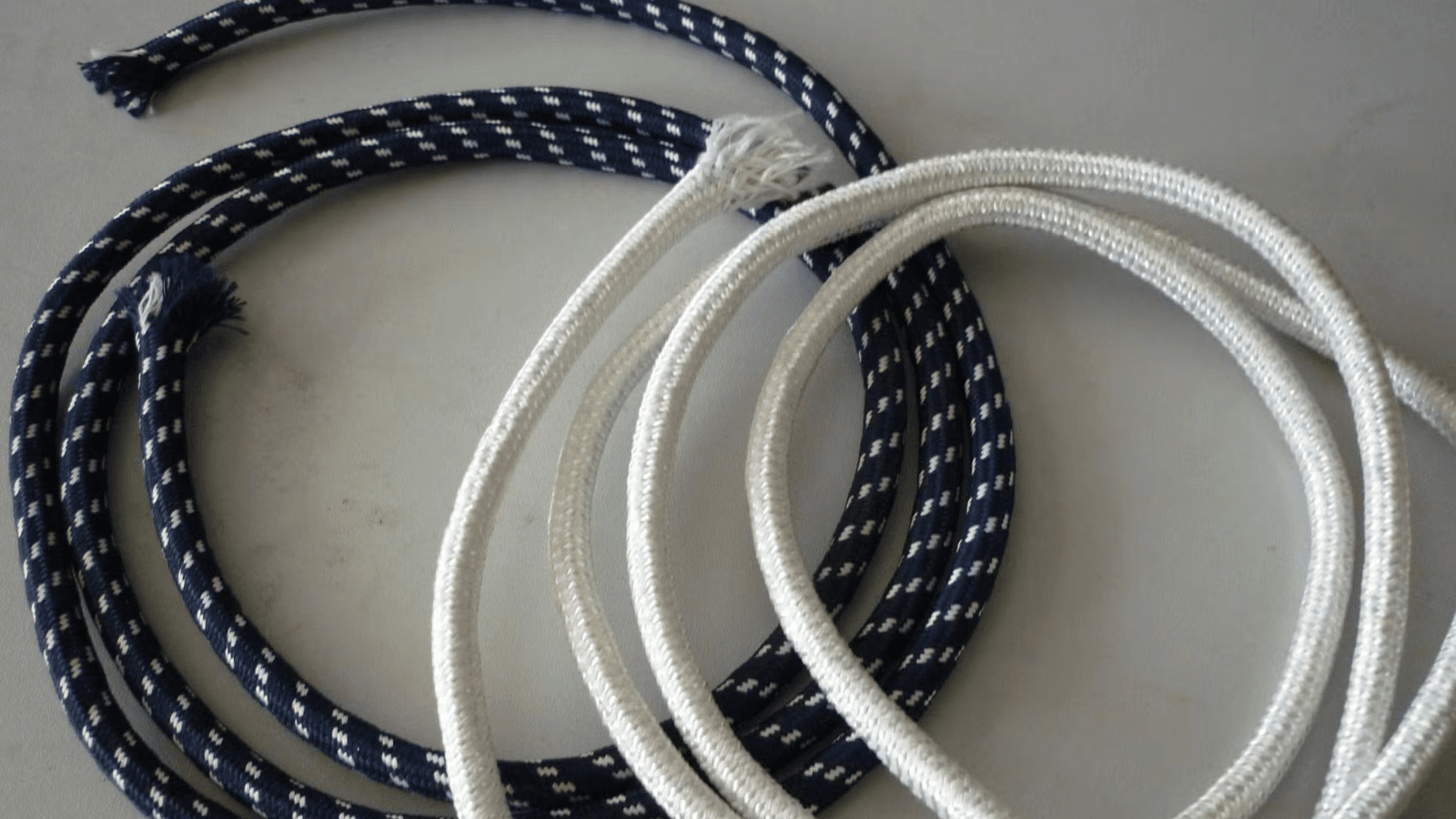
Furthermore, irons and heaters often use cords with specialized heat resistant insulation, like neoprene or braided cloth. If you replace a high heat appliance cord with a standard PVC cord from a lamp, the insulation could melt within minutes of use, leading to a house fire.
Is It a DIY Job? The Honest Assessment
The answer to whether you can do this yourself depends largely on the type of appliance and your level of comfort with basic tools.
The “Manageable” DIY Category: Lamps and Simple Fixtures
Replacing the cord on a basic table lamp is often considered an entry level DIY project. These devices are usually low wattage and have simple “two-wire” systems. Most hardware stores sell pre-assembled lamp cord kits that include a molded plug. Since you are simply connecting two wires to two screw terminals inside the lamp socket, the risk of a catastrophic error is lower, provided you follow the instructions and ensure the knots are tied for strain relief.
The “Hazard” Category: High Wattage and Heating Appliances
Replacing the cord on an iron, a microwave, or a hairdryer is significantly more complex. These appliances often use specialized connectors inside the housing. They also frequently require a “three-wire” system that includes a dedicated grounding wire.
In many modern appliances, the casing is “snap-fit” or uses security screws (like Torx or Tri-wing) to prevent consumers from opening them. This is done for a reason: the internal layout is often very tight, and if you move a wire slightly out of its original path, it could touch a heating element or get pinched by the casing, creating a new hazard the moment you plug it back in.
The Hidden Danger: Grounding and Polarity
When you replace a cord, you have to get the wiring exactly right. If you reverse the “hot” and “neutral” wires (known as reverse polarity), the appliance might still work, but the internal components will remain “live” even when the switch is off. This means you could get a shock just by touching the metal casing while the device is plugged in.
Then there is the issue of grounding. The third prong on a plug is a safety bypass. If an internal wire loose and touches the metal frame of your iron, the ground wire carries that electricity safely back to your breaker box, tripping the circuit. If a DIY repair fails to secure the ground wire properly, the metal shell of the appliance becomes an energized surface waiting for someone to touch it.
Step-by-Step: What a Professional Replacement Looks Like
If you do decide to tackle a basic cord replacement, or if you want to know what to expect from a repair shop, here is the standard process for a safe repair:
- Unplug and Test: The appliance must be completely disconnected.
- Access the Terminals: The casing is opened to expose the “terminal block” where the cord connects to the internal circuitry.
- Note the Layout: A professional will take a photo or draw a diagram of exactly which colored wire goes to which terminal (usually Black to Hot, White to Neutral, and Green to Ground).
- Install the Strain Relief: This is the most skipped step in DIY repairs. A cord must be mechanically “locked” to the appliance housing so that if someone trips over the cord, the tension isn’t transferred to the electrical connections.
- Secure the Connections: Wires are either soldered or secured with crimp connectors. Simply twisting wires together and using a wire nut is often not sufficient for appliances that move, like irons or vacuums.
- Reassemble and Continuity Test: Before plugging it in, a technician will use a multimeter to ensure there is no “short” between the hot wire and the metal casing.
When to Call a Pro (Or Buy New)
In our modern “disposable” economy, it is a sad reality that sometimes the cost of a professional repair exceeds the value of the appliance.
Call a professional if:
- The appliance is still under warranty (DIY repairs void all warranties).
- The appliance uses water (like an iron or espresso machine), as water and electricity require perfect seals.
- You do not own a multimeter to test your work.
- The internal wires are soldered directly to a circuit board.
Consider replacing the appliance if:
- It is a budget-friendly model. A professional repair might cost $50 to $75, while a new, safer model might only be $40.
- The casing is cracked or shows signs of heat damage.
- The appliance is more than ten years old. Modern safety standards for internal fuses and auto-shutoff are much higher now than they were a decade ago.
The Bottom Line
While replacing a power cord is a classic DIY skill, it is not a “one size fits all” task. For simple lamps, it is a great way to learn about electricity and save a bit of money. For high-powered household appliances, the risks of fire or electrocution far outweigh the savings. When in doubt, remember that a new cord is never worth the price of your safety.