
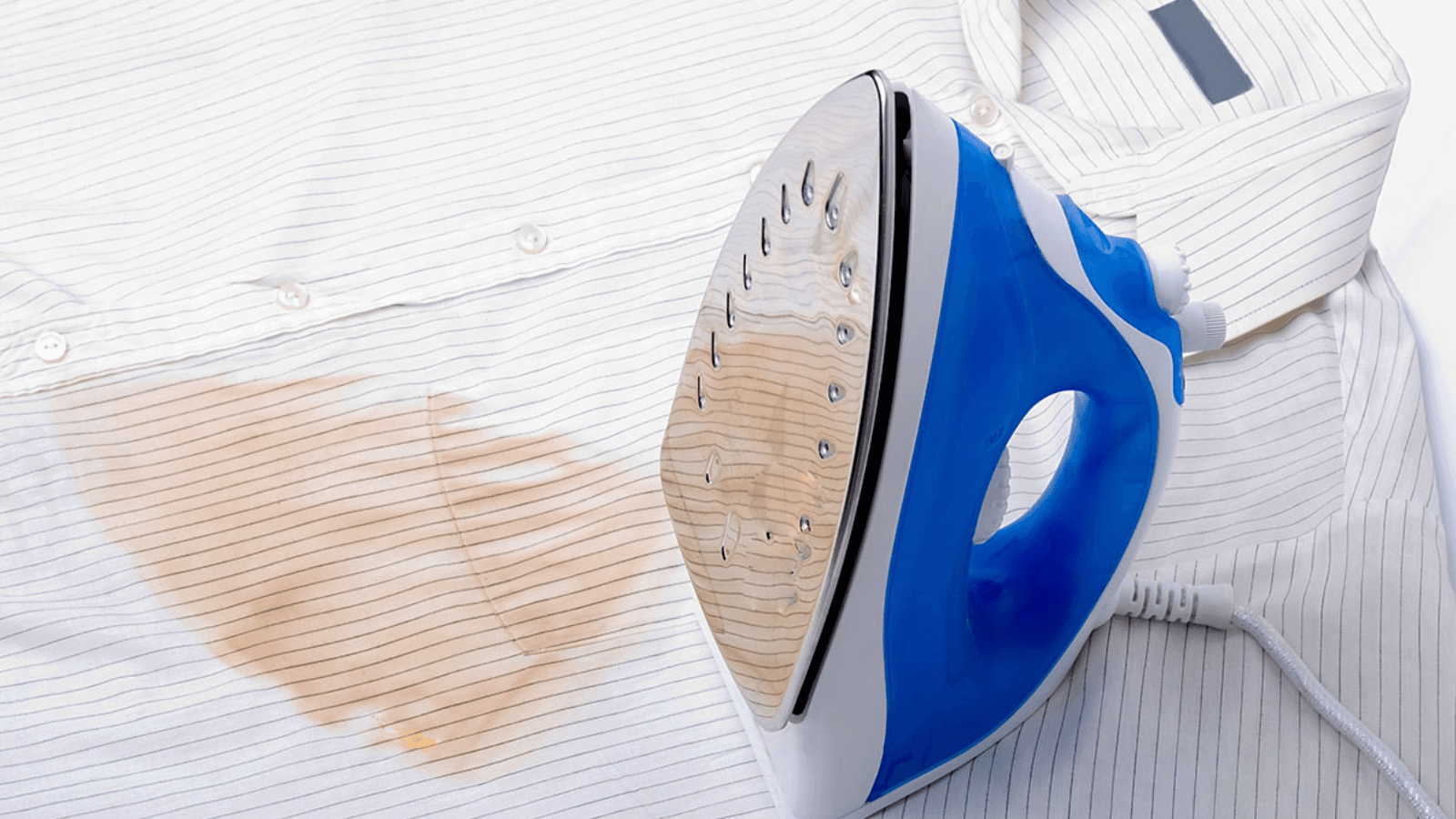
There is nothing quite like the frustration of being five minutes away from leaving for a big event, only to have your iron cough up a puddle of lukewarm, brown water onto your clean clothes. It is a common household annoyance, but it is also a signal that your iron is struggling with a specific mechanical or maintenance issue.
When an iron spits water instead of producing a steady flow of steam, it is usually because the water inside hasn’t reached the correct state for vaporization. Whether you are using a basic dry iron or a high-end steam generator, the physics remain the same.
If you are tired of dealing with wet patches and mineral stains, this guide will help you identify the root cause and fix it immediately.
Note: Click here to view the best steam irons available today.
1. The Temperature Is Too Low
This is the most frequent cause of a leaking iron. For water to turn into steam, the soleplate needs to be hot enough to flash-boil the droplets entering the steam chamber.
If you have the temperature dial set to a low or medium setting (like “Synthetic” or “Silk”) but have the steam toggle turned on, the water will simply run through the internal channels and leak out of the holes as a liquid.
The Fix:
Always check your fabric settings. If you are ironing delicate items that require low heat, turn the steam setting to “Off.” If you need steam, turn the dial up to the “Cotton” or “Linen” settings and wait for the indicator light to turn off before you start. This light tells you the soleplate has reached the required temperature to create steam.
2. Overfilling the Water Tank
It is tempting to fill the reservoir to the very brim so you don’t have to refill it halfway through a large pile of laundry. However, steam irons require a bit of “headspace” at the top of the tank. When the tank is overfilled, water can spill into the steam vents before it has a chance to reach the heating element.
The Fix:
Look for the “Max” line on the side of your iron’s water tank. Never fill past this point. If you have already overfilled it, pour a little bit out into the sink before you continue.
3. Limescale and Mineral Buildup
If you live in a hard water area, your iron is constantly fighting against calcium and magnesium deposits. Over time, these minerals form a crusty layer inside the steam chamber and across the vents. This buildup can partially block the holes, causing steam to condense back into water droplets before they can escape. This is often why the “spit” looks white or brown.
The Fix:
Use the self-clean function on your iron at least once a month. If your iron doesn’t have one, fill the tank with a 50/50 mix of distilled water and white vinegar (check your manual first to ensure vinegar is allowed). Turn the iron to the highest setting, let it steam for a few minutes over an old towel, and then flush it out with plain water.
4. Using the Steam Burst Too Quickly
The “Steam Boost” or “Shot of Steam” button is a lifesaver for stubborn wrinkles, but it has its limits. Every time you press that button, a large amount of water is pumped into the steam chamber. If you pump the button rapidly, the heating element cools down significantly with each shot. Eventually, it becomes too cool to vaporize the water, resulting in a soggy mess.
The Fix:
Give your iron a “recovery period.” Wait at least five to ten seconds between each press of the steam boost button. This allows the internal chamber to regain the high temperature needed for the next burst.
5. Using the Wrong Type of Water
As we discussed in previous guides, the water you choose matters. While 100% distilled water seems like a good idea to prevent limescale, it can actually cause leaking in some modern irons. Distilled water can become superheated and “surge” out of the vents. Conversely, using water from a home softener can introduce salts that cause the iron to spit and leave white streaks.
The Fix:
For most modern brands like Rowenta or Philips, use a 50/50 mix of tap water and distilled water. This provides enough mineral content for the sensors and stability while keeping the system clean. Avoid using scented “ironing water,” as the oils and chemicals can gum up the internal parts and cause leaking.
6. The Soleplate Is Dirty or Coated
Sometimes the spitting isn’t coming from the inside, but the outside. If you use heavy starch or if synthetic fibers have melted onto the soleplate, they can trap steam as it exits the vents. This trapped steam cools down and forms large droplets that eventually fall onto your clothes.
The Fix:
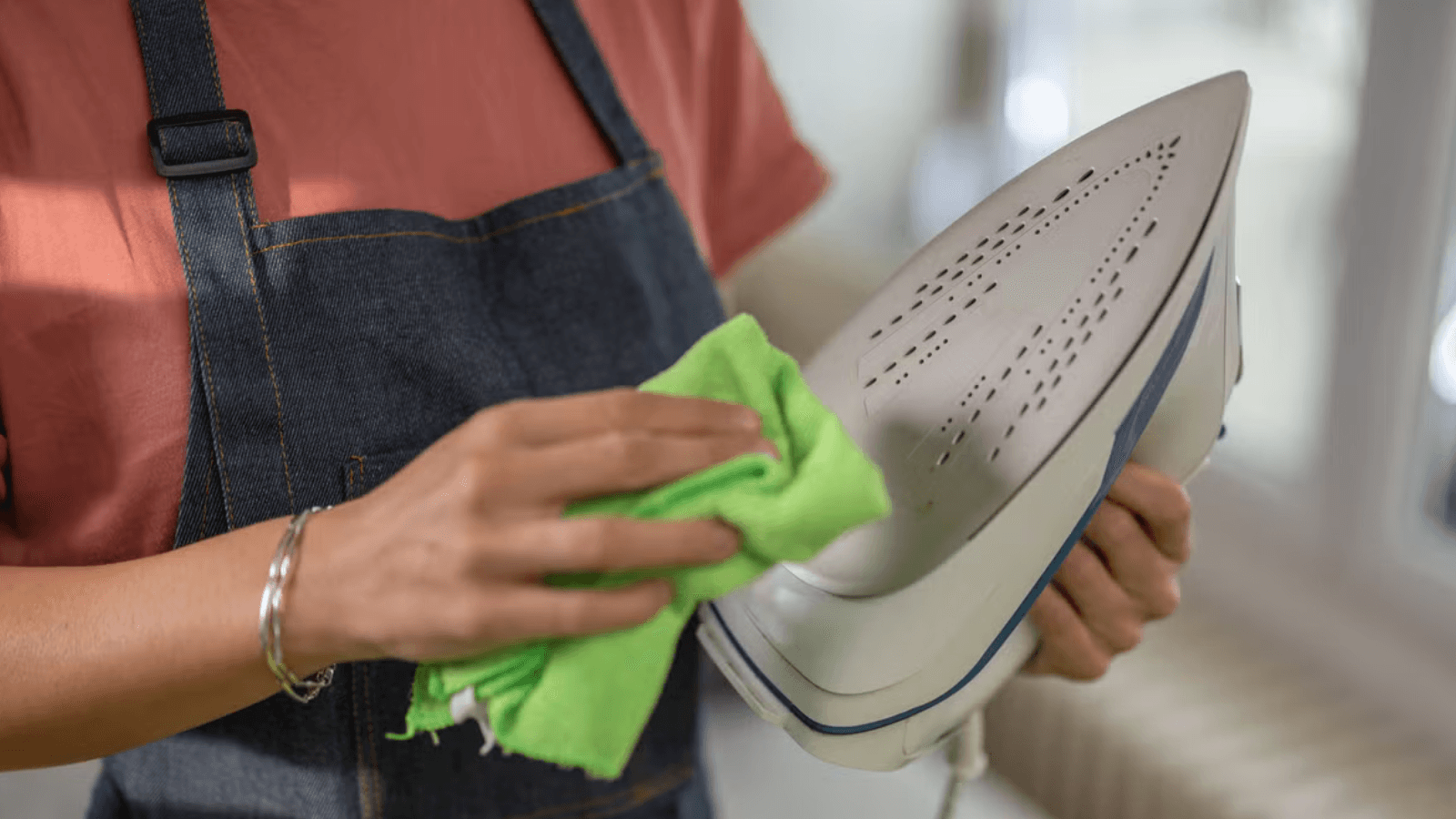
When the iron is cool, wipe the soleplate with a damp cloth and a little bit of mild soap. For stuck-on gunk, use a specialized soleplate cleaner or the “salt method” (running a warm iron over salt on a piece of paper). Keeping the surface smooth ensures steam can travel away from the iron freely.
7. Incorrect Storage Between Uses
If you store your iron horizontally (laying flat on the soleplate) with water still in the tank, gravity will eventually do its work. Water will slowly seep into the steam chamber and sit there. When you turn the iron on the next time, that cold, stagnant water is the first thing to come out of the vents.
The Fix:
Always store your iron upright on its heel. Most importantly, empty the water reservoir completely after every ironing session. This prevents seals from degrading and stops water from pooling where it shouldn’t.
Conclusion+Checklist for a Dry Ironing Session
To keep your clothes dry and your iron happy, follow this quick pre-ironing routine:
- Check the Dial: Ensure the heat matches the steam setting.
- Observe the Light: Don’t start ironing until the “ready” light stays solid.
- Fill Correctly: Stay below the “Max” line and avoid using only softened or scented water.
- Space the Bursts: Be patient with the steam trigger.
- Clean Monthly: Regular descaling prevents 90 percent of spitting issues.
By understanding these simple mechanics, you can stop the spitting and keep your laundry routine running smoothly.