
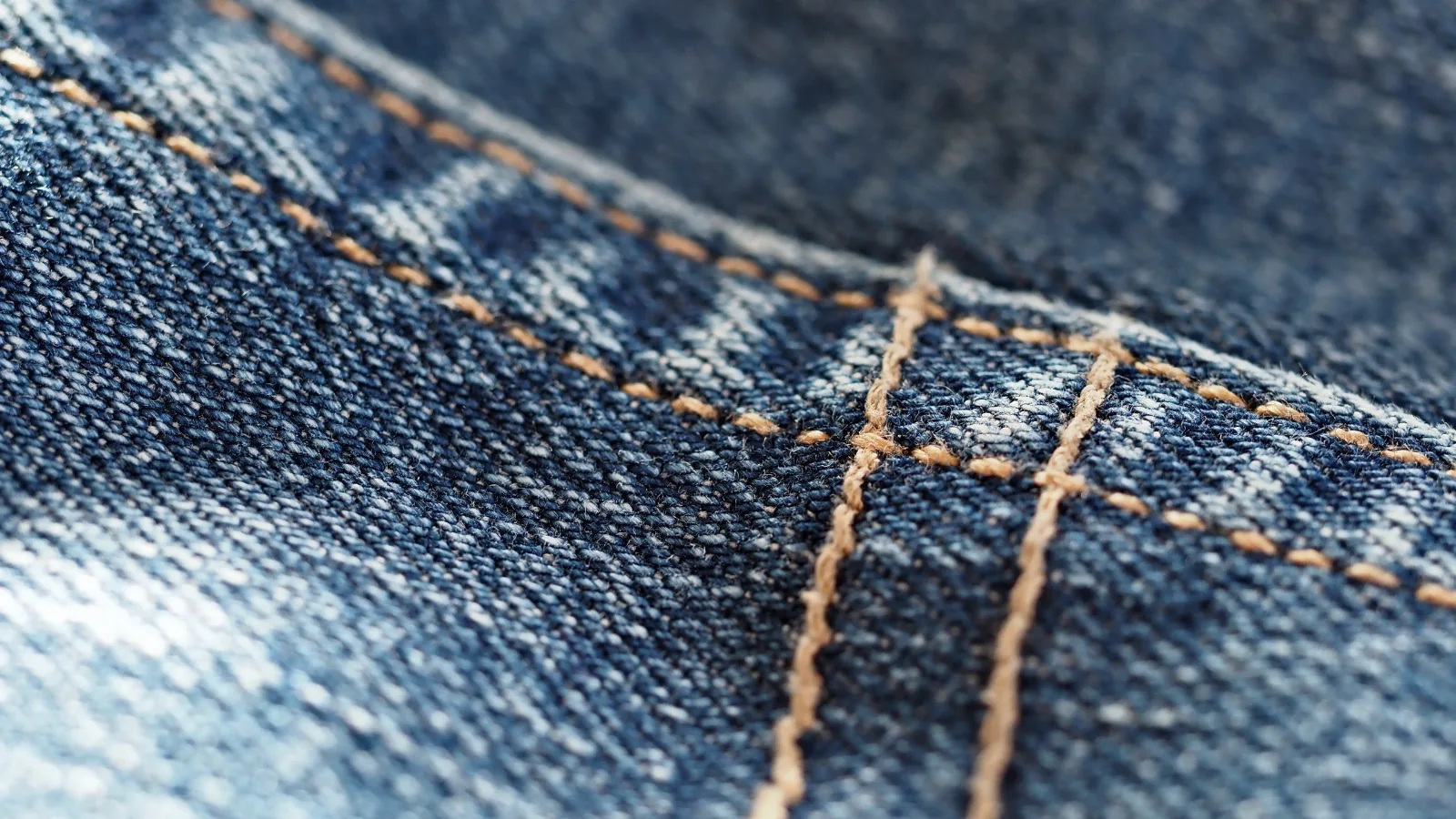
Denim is one of the most durable fabrics in your closet, but its heavy weight and thick weave make it a challenge to iron. While many people prefer the relaxed, lived-in look of jeans, there are times when you want a crisp, professional finish on a denim jacket or a sharp crease in a pair of heavy work trousers. Achieving that level of precision requires more than just a hot iron; it involves mastering the balance of moisture, pressure, and timing.
Because denim is made from tightly twisted cotton yarns, it has a “memory” for wrinkles. Once a crease sets into heavy denim, a standard pass with a dry iron often does very little to move it. This guide will walk you through the professional techniques for taming heavy denim and getting those razor-sharp lines without damaging the fabric.
Need the best steam irons? We have the ultimate guide to help you pick.
The Foundation: Why Heat Alone Isn’t Enough
If you try to iron dry denim, you will likely find yourself pressing down with all your weight and still seeing faint outlines of the old wrinkles. This is because the cotton fibers in denim are very stable. To change their shape, you need to temporarily break the hydrogen bonds that hold the fibers in their current position.
Heat provides the energy, but moisture is the catalyst. Without significant steam or dampness, you are essentially just baking the wrinkles into the fabric. For heavy denim, you should always set your iron to the highest possible temperature, usually the “Cotton” or “Three Dot” setting.
Step 1: The Pre-Ironing Dampen
The best time to iron denim is when it is fresh out of the washing machine and still slightly damp. If your jeans are already dry, the built-in spray mist on your iron might not be enough for heavy-duty denim.
Instead, use a dedicated spray bottle filled with plain water. Spritz the garment until it feels slightly damp to the touch, then roll it up for five minutes. This allows the moisture to penetrate into the center of the thick yarns rather than just sitting on the surface. If you want a particularly crisp finish, you can add a light spray of starch during this stage, though some prefer the natural feel of the cotton.
Step 2: The Inside-Out Rule for Dark Denim
Before the soleplate touches the fabric, turn your denim inside out. Denim is often dyed with indigo, which sits on the surface of the fibers. Direct heat from a hot iron can cause “iron shine” or “silvering,” where the indigo is flattened and begins to reflect light like a mirror.
By ironing on the inside, you protect the deep color and texture of the denim. If you must iron the outside to set a specific crease, use a pressing cloth. A clean cotton kitchen towel or a scrap of old t-shirt works perfectly as a buffer.
Step 3: Mastering the Seams
Heavy denim has thick, bulky seams that can create “ghost marks” on the other side of the garment if you aren’t careful. To get a professional finish, always iron the seams first.
Lay the leg of the jeans flat and open the side seams. Press them flat against the board. This prevents the bulky seam from creating a raised ridge that shows through to the front of the leg. Once the seams are flat, you have a much more stable foundation for the rest of the ironing process.
Step 4: Getting the Perfect Crease
If you are looking for that sharp, military-style line down the front of your denim trousers, the “hang and align” method is the most effective.
- Align the Seams: Hold the jeans by the hem and match the inner leg seam to the outer leg seam. This naturally creates a fold down the center of the leg.
- Lay it Flat: Carefully lay the aligned leg onto the ironing board. Ensure there are no wrinkles in the bottom layer of the fabric.
- The Initial Press: Use a heavy burst of steam and press the iron down firmly at the top and bottom of the leg to “tack” the crease in place.
- The Glide: Move the iron in long, slow strokes along the fold. Use plenty of steam.
- The Set: After you have ironed the crease, let the fabric sit on the board for thirty seconds. This allows the fibers to cool and “lock” into their new, flat shape.
Step 5: Handling the Waistband and Pockets
The waistband of denim jeans is usually the thickest part of the garment, often consisting of four or more layers of fabric.
The Waistband:
Drape the waistband over the narrow end of the ironing board. Rotate the iron as you move around the waist, pulling the fabric taut with your free hand. Because this area is so thick, you may need to iron both the inside and the outside (using a pressing cloth) to get it perfectly flat.
The Pockets:
Never iron directly over the pockets while they are tucked inside the jeans. This will leave a permanent “pocket outline” on the front of your legs. Instead, pull the pocket linings out and iron them separately first. Once they are dry and flat, tuck them back in and iron the exterior of the jeans.
How to Prevent “Indigo Transfer”
When working with raw or dark indigo denim, the heat of the iron can sometimes cause the dye to transfer onto your ironing board cover. To prevent this, lay an old white towel over your ironing board before you begin. This protects your board and ensures that you don’t accidentally pick up blue dye the next time you iron a white dress shirt.
Conclusion
Denim is a stubborn fabric, but it responds well to a firm hand and plenty of moisture. Taking the extra time to dampen the fabric and iron the seams correctly will result in a finish that looks tailored rather than just “flattened.”