
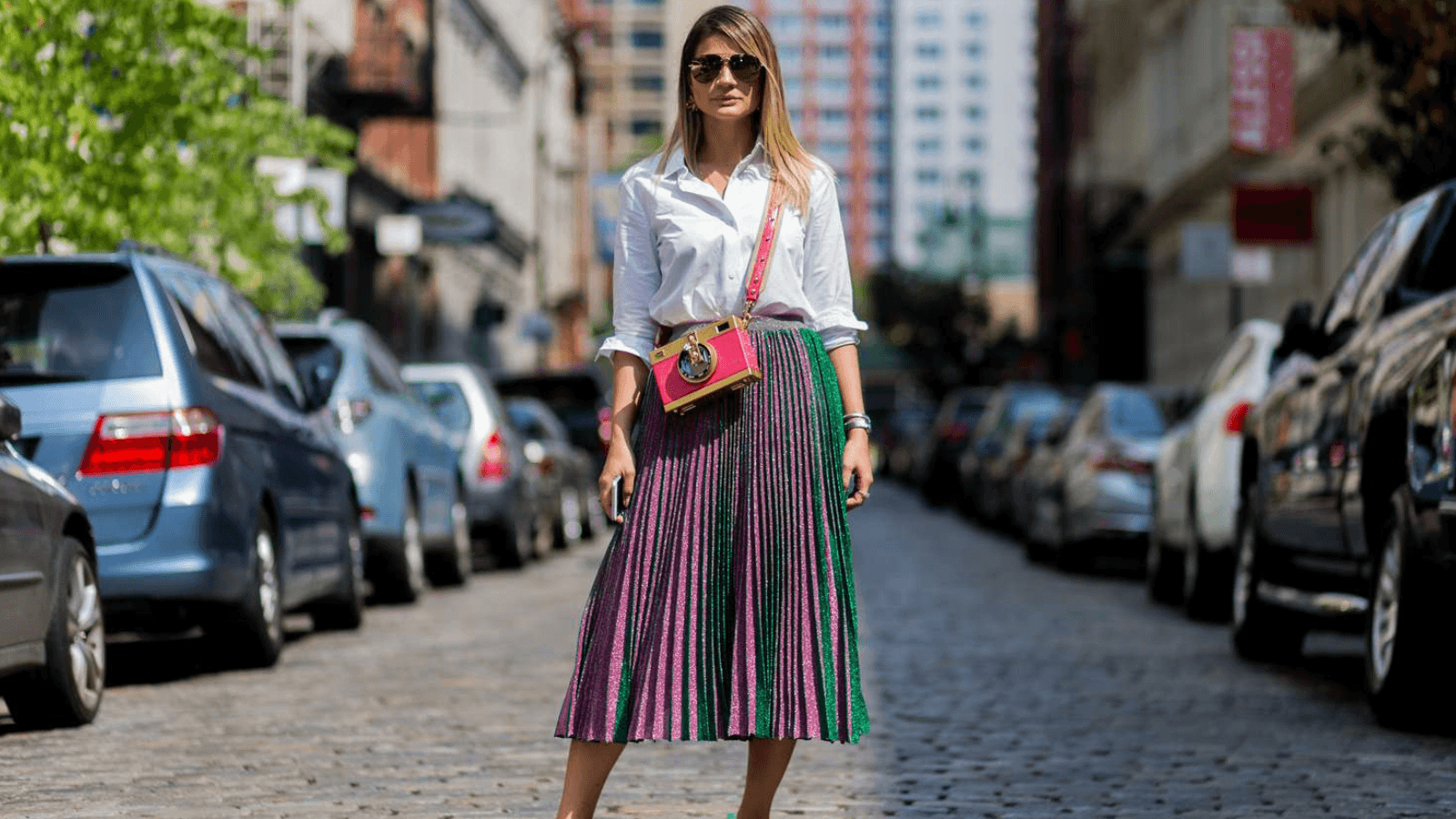
The pleated skirt is a masterpiece of fashion engineering, but it is also the ultimate test of a person’s patience. Most people would rather solve a complex calculus equation than face a wrinkled accordion skirt with a hot iron. It is a garment that looks like a million bucks when you buy it, only to transform into a chaotic mess of fabric after one cycle in the washing machine.
If you have ever stared at a crumpled heap of pleats and felt like throwing the whole thing in the trash, you are not alone. Ironing a pleated skirt is widely considered one of the most difficult household tasks. However, it does not have to be a mental breakdown in the making.
Understanding the science of fabric and using a few clever tricks from the professional garment industry can help you restore those sharp, crisp lines without losing your mind.
To iron pleated skirts properly, you need a good steam iron. Click here to see the best steam irons.
Why Pleated Skirts are So Intimidating
The struggle with pleats comes down to geometry. A standard flat garment requires you to move the iron over a single surface. A pleated skirt, however, is a three dimensional structure. You have the outer fold, the inner fold, and the flat space in between. When you press down on one area, you risk creating a new, accidental crease in the fabric underneath.
This is where the “mind-losing” part happens. You fix one pleat only to realize you have flattened the three next to it. To avoid this cycle of frustration, you have to stop thinking like a casual ironer and start thinking like a tailor.
Step 1: Identifying Your Fabric and Pleat Type
Before you even plug in the iron, you need to perform a quick audit of the garment. Not all pleats respond to heat in the same way.
Common Pleat Styles
- Knife Pleats: These all face one direction and overlap slightly. They are the easiest to iron because the pattern is predictable.
- Box Pleats: These are created by two folds facing away from each other. They create more volume and require a bit more attention to the “valley” between the folds.
- Accordion Pleats: These are very narrow and run all the way around the skirt. They are often heat-set into synthetic fabrics and can be very delicate.
- Crystal Pleats: These are even smaller than accordion pleats, often found on formal gowns or very light polyester skirts.
The Fabric Factor
Check the care label. If the skirt is 100% polyester, you are dealing with a thermoplastic fiber. This means the pleats were likely set using high heat and pressure during manufacturing. You can easily melt these fibers if your iron is too hot.
If the skirt is cotton or linen, you will need higher heat and plenty of steam to get the fibers to “relax” and then “lock” into a new shape. Silk and wool are the most sensitive and should always be handled with a pressing cloth to avoid scorching or creating a shiny surface.
Step 2: Assemble Your Professional Toolkit
If you try to iron a pleated skirt with just an iron and a board, you are making the job harder than it needs to be. You need a few specific items to keep the fabric under control.
The Shopping List
- Large Paper Clips or Sewing Pins: These are the real heroes. You will use them to hold the pleats in place at the hem while you work.
- A Spray Bottle: Fill this with distilled water.
- White Vinegar: A secret weapon for permanent creases.
- A Pressing Cloth: This can be a professional mesh cloth or a simple clean cotton pillowcase.
- Spray Starch or Fabric Sizing: This helps the fabric hold the pleat longer after you finish.
Step 3: The Secret Vinegar Trick
If your pleats have completely lost their “memory” and the skirt looks flat, you need a setting agent. Professional tailors often use a mixture of one part white vinegar and two parts water.
Mist the fabric lightly with this solution before ironing. The acetic acid in the vinegar helps to temporarily soften the fibers so they take a new shape more easily. Once the fabric dries under the heat of the iron, the pleat becomes much more durable. Do not worry about the smell; the scent of vinegar evaporates completely as the fabric dries.

Step 4: The Preparation Phase
Never start ironing at the bottom of the skirt. You must prepare the foundation first.
Start by sliding the waistband of the skirt over the narrow end of your ironing board. Iron the waistband and the flat area of the “yoke” (the part of the skirt between the waist and where the pleats start). Once the top of the skirt is smooth, the pleats will naturally want to hang in their correct positions.
If the skirt is particularly messy, give it a heavy misting of water and let it hang for ten minutes. The weight of the water will pull some of the wrinkles out and make the pleat lines more visible.
Step 5: The “Pin and Press” Method
This is the definitive way to iron a pleated skirt without causing a disaster.
- Arrange the Pleats: Lay the skirt flat on the board. Use your fingers to align the first three or four pleats so they sit exactly how they were designed.
- Pin the Hem: Take your paper clips or sewing pins and clip the pleats together at the very bottom edge of the skirt. This prevents the fabric from “fanning out” while you iron.
- The Pressing Motion: Do not slide the iron back and forth like you are scrubbing a floor. This movement pulls the fabric and ruins the alignment. Instead, lift the iron and press it down firmly onto the pleat.
- Work from Top to Bottom: Start at the top of the pleat and work your way down to the hem. Hold the iron in place for about five to eight seconds, then lift and move to the next section.
- Remove Pins: Always remove the clips or pins just before the iron reaches them. Never iron directly over a metal pin, as it can heat up and melt the fabric or scratch the soleplate of your iron.
Step 6: Handling the “Under-Fold”
One of the most common mistakes is only ironing the top of the pleat. If you want a professional look, you have to address the “under-fold.”
Carefully lift the top fold of the pleat and look at the fabric underneath. Sometimes this area gets bunched up. Give it a quick press to flatten it out before laying the top pleat back down for its final press. This ensures the skirt hangs straight and does not “pouf” out at the sides.
Step 7: Troubleshooting Common Problems
Even with the best technique, things can go wrong. Here is how to handle the most common ironing mishaps.
The “Shiny” Fabric Trap
If you are ironing a dark colored skirt or a synthetic blend, you might notice a shiny, reflective mark where the iron was. This is caused by the fibers being slightly melted or flattened.
To fix this, stop immediately. Switch to ironing the skirt inside out, or use your pressing cloth. If the shine has already appeared, you can sometimes “lift” the fibers back up by steaming the area heavily and brushing it gently with a soft toothbrush.
Accidental Double Creases
If you accidentally iron a second crease into a pleat, do not keep ironing over it. You need to “erase” the mistake first. Mist the area with plenty of water, use the steam function on your iron to dampen the fibers, and press the area flat. Once the mistake is gone, re-align the pleat and try again.
The Pleats are “Flaring”
If the pleats look great at the top but flare out wildly at the bottom, you likely didn’t pull the fabric taut enough while ironing. When pinning the hem, give the fabric a very gentle tug to ensure the line is straight from the waist to the floor.
Step 8: Steaming vs. Ironing
For many people, a garment steamer is a much more attractive option. Steaming is significantly faster and carries almost zero risk of burning the fabric.
However, steaming will not give you a crisp, sharp edge. It provides a softer, more “relaxed” pleat. If you are wearing a flowy, romantic chiffon skirt, a steamer is perfect. If you are wearing a structured, preppy wool skirt, you really need the weight and dry heat of an iron to get the right look.
If you choose to steam, hang the skirt up and use a clip to pull the hem tight. Move the steamer head along the inside and outside of each pleat. This is a great way to “refresh” a skirt between deep ironing sessions.
Step 9: The Cool Down Period
This is the step most people skip, and it is the reason their hard work disappears within minutes. When you iron with steam and heat, the fabric becomes temporary “malleable.” If you put the skirt on immediately, or even if you just fold it up, the pleats will lose their shape.
You must let the fabric “set.” Leave the skirt on the ironing board for a minute or two until it is cool to the touch. Then, carefully transfer it to a clip hanger. Do not use a standard hanger where the skirt is folded over a bar. Use a hanger with clips that grip the waistband so the pleats hang vertically. Let it hang in an open space for at least twenty minutes before putting it into a crowded closet.
How to Maintain Pleats Long-Term
To avoid having to do a full iron every time you wear the skirt, follow these maintenance tips:
- The Bathroom Steam Trick: If your skirt has minor wrinkles, hang it in the bathroom while you take a hot shower. The steam will help the pleats drop back into place.
- Spot Clean When Possible: The more you wash a pleated skirt, the faster the pleats will degrade. If you get a small spill, clean it with a damp cloth instead of throwing the whole garment in the machine.
- Check Your Wash Cycle: When you do have to wash it, use a delicate cycle with a low spin speed. A high speed spin cycle will twist the fabric and crush the pleats into a nightmare of wrinkles.
- The “Rolling” Storage Method: If you are traveling, do not fold your pleated skirt. Instead, lay it flat, align the pleats, and roll it up like a burrito. Place it inside a stocking or a dedicated garment sleeve to keep it compressed and protected.
Final Thoughts on the Process
Ironing a pleated skirt is not a race. It is a slow, methodical process that requires you to be present in the moment. If you try to rush through it in five minutes before work, you will likely end up frustrated and with a skirt that looks worse than when you started.
Set aside twenty minutes on a Sunday afternoon. Put on some music or a podcast. Use your pins, trust the vinegar trick, and take it one pleat at a time. When you see that perfect, sharp finish, you will realize that mastering this chore is actually quite satisfying.