
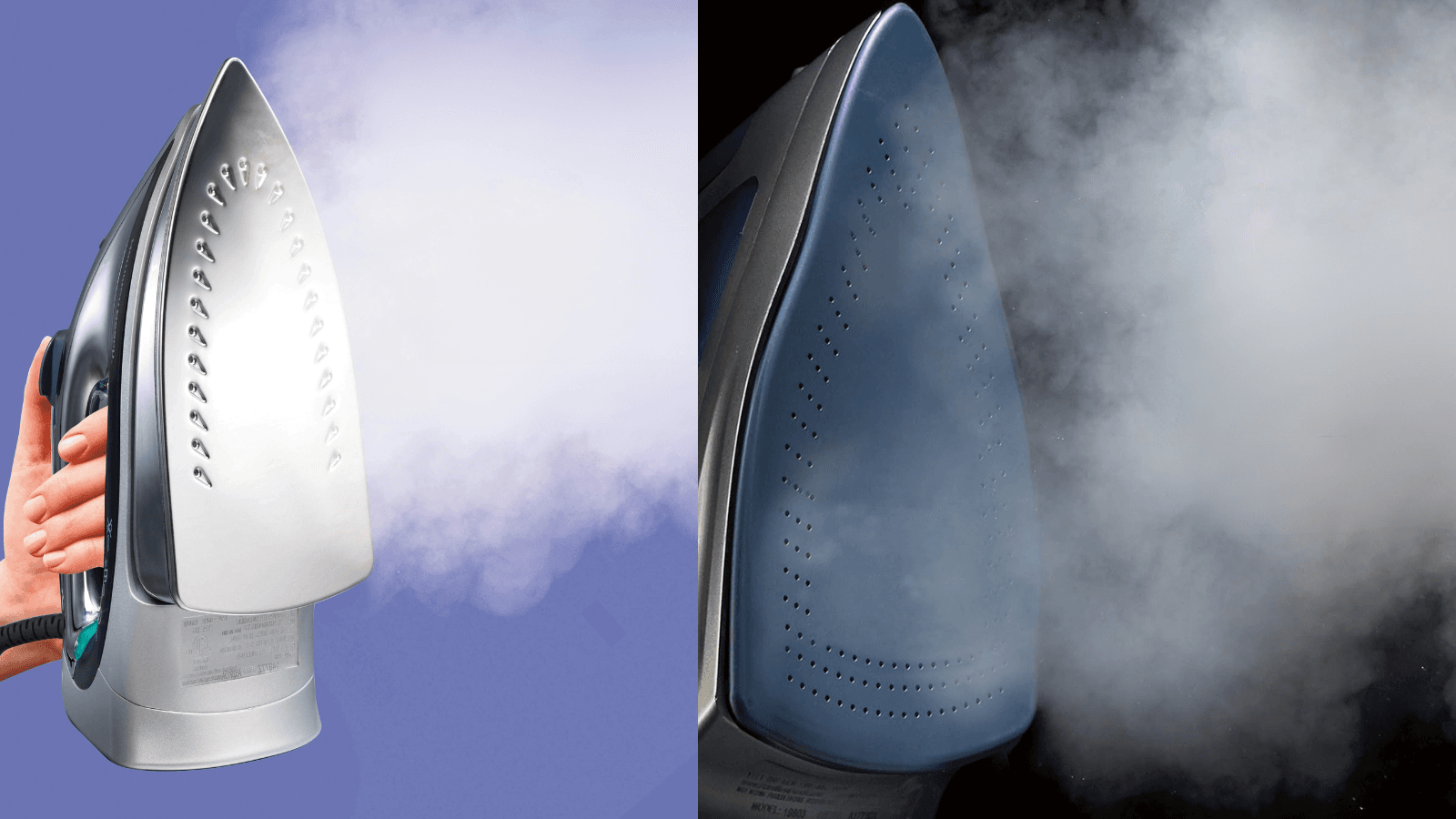
Most people are sitting on a laundry room secret without even realizing it. That standard flat steam iron in your closet is actually a high-powered garment steamer in disguise.
If you have ever avoided a quick touch-up because you did not want to drag out a heavy ironing board, this hidden feature is about to change your morning routine. This is the vertical steam hack, and it is the most efficient way to refresh your wardrobe without the hassle of traditional ironing.
Most people view their steam iron as a tool that only works when pressed flat against a board. In reality, the modern steam iron is a powerful handheld steamer in disguise. Using the vertical steam function, you can erase wrinkles from hanging clothes, curtains, and delicate fabrics without ever touching the metal plate to the material.
Here is everything you need to know to master this laundry room shortcut like a pro. After learning how to take advantage of this hack, check out the best steam irons here.
Is Your Iron Capable of Vertical Steaming?
Before you start, you need to verify that your iron is designed for this. While almost all modern steam irons produced in the last decade have this capability, older or very basic models might leak water if held upright.
Look for a button on the top of the handle often labeled with a cloud or a “burst of steam” icon. Some irons also have a specific setting on the temperature dial marked with a vertical iron symbol. If you see a “Vertical Steam” or “Jet of Steam” feature listed in your manual, you are good to go.
Even if your iron does not have a dedicated button, any iron that produces a “burst of steam” can usually be used this way.
The Step-by-Step Guide to the Vertical Steam Hack
Using an iron vertically is slightly different from traditional ironing. It relies on the volume of steam rather than the weight of the iron.
1. Prepare Your Setup
Find a sturdy place to hang your garment. The back of a door or a shower rod works perfectly. Make sure there is enough space behind the clothing for steam to pass through the fibers. Avoid hanging clothes directly against a painted wall, as the moisture can occasionally damage the finish over time.
2. Fill and Heat the Iron
Fill the water tank to the maximum line. Vertical steaming uses a lot of water, so starting with a full tank is essential. Turn the temperature dial to the highest setting, usually marked as “Linen” or “Cotton.” Most irons require maximum heat to convert water into a powerful steam burst. If the iron is too cool, it will spit water droplets instead of vapor, which can leave spots on your clothes.
3. Test the Steam
Once the indicator light tells you the iron is hot, hold it away from the garment and press the steam burst button. This clears out any stale water or mineral buildup in the vents. It also ensures the steam is coming out in a consistent, powerful jet.
4. The Steaming Motion
Hold the iron in a completely upright position. Keep the soleplate about one to two inches away from the fabric. Never let the hot metal touch the garment while it is hanging.
Use your free hand to pull the bottom of the garment taut. This creates tension in the fabric, allowing the steam to relax the fibers more effectively. Move the iron in slow, vertical paths from the top down to the bottom.
5. The Five-Second Rule
This is the secret to avoiding a soggy mess. After each burst of steam, wait about five seconds before pressing the button again. This gives the iron time to reheat and regenerate a fresh blast of steam. If you pump the button too quickly, the internal chamber cools down and starts leaking hot water.
When to Use This Hack (and When to Avoid it)
The vertical steam hack is a lifesaver, but it is not a total replacement for the ironing board. Knowing when to use each method will keep your wardrobe looking its best.
| Best for Vertical Steaming | Best for Traditional Ironing |
| Silk blouses and chiffon dresses | Crisp dress shirts |
| Wool coats and blazers | Pleated skirts or trousers |
| Curtains and drapes | Heavy denim and linen |
| Refreshing “worn once” items | Creating sharp collars and cuffs |
Steaming is a gentle process. It relaxes the fibers of the fabric so they return to their natural, flat state. This makes it ideal for delicate items that might scorch or develop a “shiny” look if touched by a hot iron. However, if you need a sharp crease in your trousers or a stiff collar on a tuxedo shirt, you still need the pressure and heat of a traditional flat iron.
Expert Tips for Better Results
If you want to take this hack to the next level, try these professional tricks:
- Steam from the inside out: For thicker fabrics like cotton t-shirts or wool sweaters, try placing the iron inside the garment and steaming outward. This often gets rid of stubborn wrinkles faster because the steam does not have to fight through the outer layer of the fabric first.
- The “Pocket” Trick: If you are steaming a jacket or a shirt with pockets, place a small piece of cardboard inside the pocket. This prevents the steam from creating an unwanted “imprint” of the pocket lining on the front of the garment.
- Distilled Water is Key: Since vertical steaming relies heavily on the steam vents, those vents need to stay clear. Tap water contains minerals that can clog the iron over time. Using distilled water will extend the life of your iron and prevent white mineral flakes from landing on your black clothes.
Your Safety Matters
Safety is paramount when dealing with pressurized steam. Steam can reach temperatures of over 212 degrees Fahrenheit, which is more than enough to cause serious burns.
- Never steam clothes while wearing them: It might seem like a quick way to fix a hem, but the steam will pass right through the fabric and scald your skin instantly.
- Watch your hands: Be mindful of where your “pulling” hand is located. Always keep it at the very bottom of the garment, well away from the path of the steam.
- Check the labels: While most fabrics love steam, some materials like suede, leather, or certain plastics (found in sequins or prints) can be ruined by heat and moisture. Always check the care tag for a “do not steam” warning.
Why This Hack is Better for Your Clothes
Beyond the convenience, vertical steaming is actually better for the longevity of your wardrobe. Traditional ironing uses “crushing” force. Over time, this can flatten the individual fibers of your clothes, leading to a loss of texture and a shorter lifespan for the garment.
Steaming, on the other hand, allows the fibers to swell and soften. This “freshens” the fabric, often removing light odors and killing bacteria in the process. It is the closest thing to a professional dry-cleaning finish you can achieve at home without spending a dime.
Wrapping Up
To wrap up, the vertical steam hack is one of the most underrated features of the humble household iron. With this feature, you can achieve a wrinkle-free look in half the time it takes to set up an ironing board.
You just need to hang your garment, set your iron to high heat, and use controlled bursts of steam from a few inches away. Vertical steaming is perfect for travelers, apartment dwellers, or anyone who just wants to get out the door a little faster.